Watercolor Blue Whale Clipart - Illustrations
As a brand designer, I always look for graphic design assets that bring character and visual interest to small business branding. The Watercolor Blue Whale Clipart - Png File is one such illustration that offers both aesthetic appeal and practical use in real-world design projects. From the moment I viewed it, I could see its potential for local business branding, product packaging, and promotional materials.
The Mood and Personality of the Watercolor Blue Whale Clipart
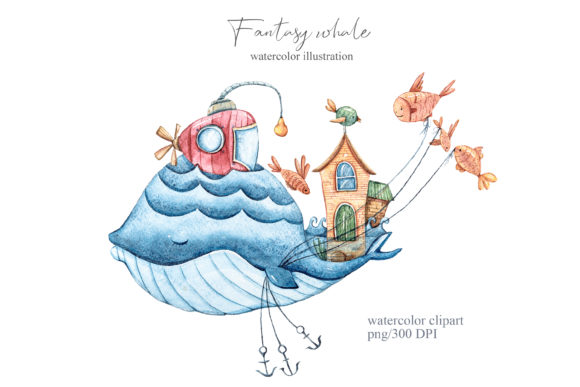
The Watercolor Blue Whale Clipart exudes a soft, whimsical energy. Its gentle brushstrokes and muted blue tones suggest a sense of calm, creativity, and organic elegance. This style would work well for handmade businesses, boutique stores, or any brand aiming to convey a friendly, artistic personality. It feels more like a decorative element than a bold statement, making it ideal for brands that want to add subtle charm without overwhelming their audience.
It’s not the kind of illustration you’d use for a high-end luxury brand, but it fits perfectly with artisanal, eco-conscious, or children’s product brands. Its watercolor texture adds a handcrafted feel, which can be a strong differentiator in a crowded market.
Practical Uses in Local Business Design
This clipart can be used across a wide range of design applications. For a bakery or coffee shop, it could serve as a decorative element on menus, packaging, or social media graphics. A skincare brand might use it on product labels or printable inserts to create a soothing, nature-inspired aesthetic.
In packaging design, the Watercolor Blue Whale Clipart could act as an accent on hang tags, stickers, or even the main logo. It also works well in product mockups, allowing designers to visualize how it would look on actual items. For a handmade soap business, it could be part of a custom label or used as a background in a Canva template.
Its PNG format ensures transparency, making it easy to layer over other elements. Whether used in web design, editorial design, or marketing visuals, this illustration adds a unique touch without competing with text or other design components.
Supporting Business Presentation and Brand Identity
Using the Watercolor Blue Whale Clipart can significantly enhance a small business's presentation. It helps create a stronger first impression by adding visual interest to product packaging, social media content, and promotional ads. When used consistently, it strengthens brand identity and builds customer recognition.
This clipart supports clearer visual hierarchy by acting as a focal point in designs. It can guide the eye toward key information, such as product names or special offers, while maintaining a cohesive look across all marketing materials. For a home decor shop or a seasonal campaign, it can help establish a thematic identity that resonates with the target audience.
It also fosters a stronger emotional connection between the brand and its customers. The soft, watercolor style evokes a sense of warmth and approachability, which is essential for building trust and loyalty in local business markets.
Where the Asset Works Best
The Watercolor Blue Whale Clipart shines in areas where visual storytelling is key. It’s perfect for product labels, especially for handmade or artisanal products. As a hero graphic on a website banner or social media post, it draws attention and sets the tone for the brand’s message.
It also makes a great addition to seasonal packaging, such as holiday gift boxes or summer-themed promotions. For a florist or candle brand, it can be used in thank-you cards or promotional flyers to add a personal, artistic touch.
In a boutique store setting, it can be incorporated into window displays or signage to create a cohesive, inviting atmosphere. Its versatility allows it to adapt to various design styles, from modern to rustic, depending on how it’s paired with other elements.
Where to Use It Carefully
While the Watercolor Blue Whale Clipart is visually appealing, it may not be suitable for every design scenario. In formal corporate branding, its playful nature could clash with a more professional aesthetic. Similarly, it may not work well on very small product labels where detail is hard to maintain.
If a design is already cluttered with text or images, this illustration could become distracting. It should also be avoided in areas where legal information or ingredient lists are present, as it might reduce readability.
On low-contrast backgrounds, the clipart may not stand out as intended. Luxury minimalist brands may find it too ornate, and in designs where the decoration competes with important text, it could undermine the overall message.
Designer Notes for Real-World Use
Before finalizing the use of the Watercolor Blue Whale Clipart, I recommend testing it on real packaging mockups to see how it looks in physical form. Check how it appears in black and white to ensure it still holds visual interest without color. Preview it on small labels to confirm legibility and clarity.
Test it alongside your brand colors to ensure it complements them rather than clashes. Compare it with competitor packaging to avoid similarity and maintain uniqueness. Review the print quality to make sure the PNG design doesn’t lose detail when printed.
Inspect the PNG transparency to ensure it blends well with different backgrounds. Test it beside various font styles—serif, sans serif, script, handwritten, and display fonts—to see how they interact. Finally, always confirm the commercial license before using it for client work, business branding, or physical product sales.
Conclusion: A Versatile Asset for Creative Businesses
The Watercolor Blue Whale Clipart - Png File is a valuable graphic design asset for small business branding, product packaging, and promotional materials. Its soft, artistic style makes it ideal for handmade businesses, boutique stores, and creative entrepreneurs looking to elevate their visual presence.
Whether used in logo design, packaging design, or social media graphics, it adds a unique touch that can differentiate a brand in a competitive market. With careful consideration of placement and design context, it can become a powerful tool in building a strong, cohesive brand identity.