Watercolor Forest Graphic Set Review for Real Embroidery Projects
As a seasoned embroidery designer and product reviewer, I always approach a new design with a practical mindset. The Watercolor Forest Graphic Set caught my attention not just for its aesthetic appeal but for how it might translate into real-world embroidered products. This set is part of the Illustrations category—though that label feels too broad for something as specific and mood-driven as this. Let me walk you through my process of evaluating it for use in custom apparel, handmade gifts, and commercial items.
First Impressions: A Soothing, Artistic Vibe
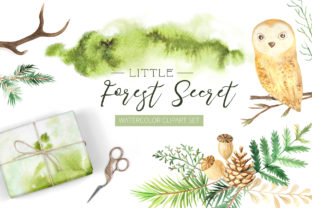
The Watercolor Forest Graphic Set immediately evokes a sense of calm and natural beauty. It features soft brush strokes, muted greens and browns, and a gentle blend of textures that mimic watercolor painting. The layout is balanced, with elements like trees, leaves, and woodland creatures arranged in a way that feels organic yet intentional.
This kind of visual language doesn’t scream for attention—it whispers instead. That makes it perfect for handmade products where subtlety and charm are key. Think cozy sweatshirt embroidery, delicate holiday gifts, or even nursery decor. The theme suggests a connection to nature, making it especially appealing for eco-conscious brands or those targeting a bohemian or minimalist market.
Visual Personality and Project Fit
With its dreamy, artistic feel, the Watercolor Forest Graphic Set naturally aligns with personalized gifts and custom apparel projects. It’s not a bold graphic meant for high-traffic visibility; rather, it’s a design that invites quiet appreciation. The detail level is moderate—enough to show craftsmanship without overwhelming the fabric.
I see this set fitting well on larger surfaces such as tote bag designs, pillow covers, or tea towels, where there's room for the soft lines and subtle shading to breathe. It could also work beautifully as an embroidered patch for denim jackets or backpacks, provided the hoop size allows for the full composition.
Real-Life Embroidery Performance
When considering how this design would perform in actual stitching, several factors stand out. First, the flow of the illustration means it can be split or adapted for different formats—like using only the tree line for a smaller project or isolating a single animal for a cap embroidery.
One thing I noticed early on is that the soft edges and gradients may require careful handling when converting to stitch paths. While the file likely uses a mix of running stitch and satin stitch, some sections could benefit from a light layer of fill stitch to maintain the watercolor look post-stitching. This is important for preserving the visual appeal of the finished product, especially under lighting or after multiple washes.
In terms of stitch density, I’d recommend testing it on a scrap piece of your intended fabric first. The design has enough detail that if the machine isn’t properly calibrated, it might appear flat or lose definition. On the flip side, too much density could make the fabric stiff and less desirable for a casual item like a custom sweatshirt or apron design.
For craft business owners and Etsy sellers, the thread colors included in the set are likely chosen to complement each other and enhance the watercolor effect. However, I suggest reviewing them against your typical fabric choices to ensure good contrast. Darker backgrounds, for example, might dull the soft tones unless you opt for lighter thread shades or adjust the color palette.
Where to Use It Thoughtfully
While the Watercolor Forest Graphic Set is versatile, it does have limitations depending on the embroidery context. Here are a few places where caution is advised:
- Small hoop sizes: The design’s scale requires enough space to showcase its details. If you’re working within tight dimensions, consider cropping or simplifying the layout.
- Textured fabrics: Fabrics like canvas or flannel can distort the fine lines and soft blends of the illustration. Smooth cotton or linen will preserve the delicate appearance better.
- Thin or stretchy materials: These can cause distortion during stitching, especially in the more intricate parts of the design. Always test on similar material before committing to production.
- Dark-colored fabrics: The muted tones may not pop as expected. You’ll need to review thread colors carefully and possibly add white outlines or highlights.
- Curved surfaces: When using it on curved areas like caps or hooded sweatshirts, check whether the software allows for resizing or reshaping without losing quality.
- Frequent washing: For items like baby clothes or kitchen towels, assess how well the threads hold up over time. Dense stitch areas might fade faster than others.
Design Impact on Product Value and Branding
Using the Watercolor Forest Graphic Set can elevate the perceived value of any handmade product. Its artistic style gives a sense of thoughtfulness and care, which is exactly what customers look for in personalized or boutique-style items.
From a branding perspective, this design supports a soft, earthy aesthetic. It can help reinforce a brand identity centered around nature, wellness, or sustainability. As a commercial embroidery asset, it brings a level of professionalism and uniqueness that stands out in crowded markets like Etsy or craft fairs.
What I particularly appreciate is how it maintains a cohesive look across different pieces. Whether you're embroidering a holiday gift tag or a blanket border, the design retains its personality. This consistency is crucial for creating recognizable design assets that build customer trust and repeat sales.
Customer Engagement and Giftability
Products featuring this design tend to draw emotional reactions. Customers often gravitate toward visuals that tell a story or evoke nostalgia, and the Watercolor Forest does both. It adds a personal touch to custom apparel, making it ideal for clients who want something unique but not overly flashy.
As a personalized gift, the design feels elegant and meaningful. Imagine a watercolor forest-themed pillow cover for a wedding guest or a custom baby onesie with a small deer motif. The finished product becomes more than just an item—it tells a narrative.
However, because the design relies on subtlety, it won't shout its presence. That works in favor of certain audiences but may not suit all marketing strategies. If your shop caters to bold patterns and bright colors, this one might get lost in the shuffle. But for small shop products aiming for a refined, artisanal feel, it’s a strong contender.
Practical Designer Notes
Here are a few tips based on my experience with this kind of design:
- Test on scrap fabric before moving to final projects. Especially if you're using it for commercial embroidery, this step ensures consistent results.
- Check thread color contrast against your fabric. Sometimes the colors in the preview don’t translate perfectly under real lighting conditions.
- Review stitch density in detailed areas. Too loose and the design loses clarity; too tight and it becomes stiff or unflattering.
- Confirm hoop size requirements. If the design is large, you’ll need a bigger hoop to avoid stretching or cutting off important elements.
- Inspect small details for potential issues. Fine brush strokes might convert poorly in some machines, leading to gaps or uneven coverage.
- Use proper stabilizer, especially for delicate or stretchy fabrics. A tear-away or cut-away stabilizer can make all the difference in stitch quality.
- Consider black and white mockups to evaluate how the design looks without color influence. This helps in understanding form and contrast better.
- Compare light and dark fabric backgrounds to see how the design performs visually. Some elements may need enhancement on darker bases.
- Verify licensing before selling digital embroidery files or finished products featuring this design. Licensing terms can vary widely between providers.
Final Thoughts for Makers and Entrepreneurs
The Watercolor Forest Graphic Set is a beautiful and versatile addition to your embroidery toolkit, but it’s not a one-size-fits-all solution. It shines best on larger, smooth surfaces and in contexts where the design can be appreciated at a glance rather than needing to be read or shouted from afar.
If you're looking to create handmade shop items that reflect a thoughtful, artistic approach, this design is worth exploring. Just remember to adapt it to your materials, test thoroughly, and keep your audience in mind. After all, the goal is to create a finished product that resonates with buyers and enhances your craft business offerings in a meaningful way.