Watercolor Succulents Florals Clip Art: A Designer’s Practical Take
If you're an embroidery designer or a creative entrepreneur looking for something fresh to add to your next project, Watercolor Succulents Florals Clip Art is worth taking a closer look at. As someone who's stitched hundreds of designs across various products and fabric types, I find myself drawn to this one not just for its aesthetic appeal, but for the subtle charm it brings to handmade items and personalized gifts.
First Impressions and Visual Personality
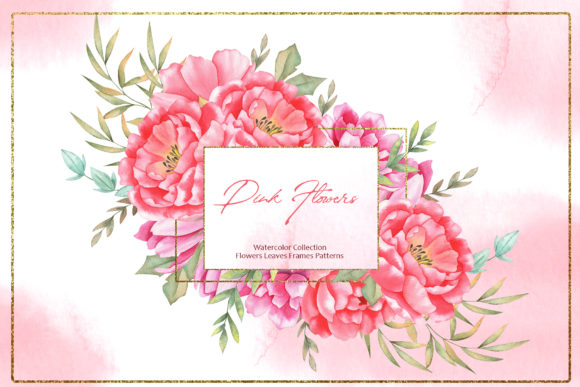
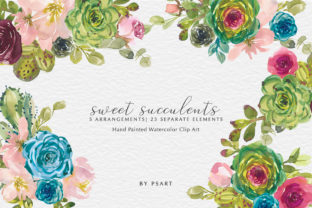
The moment I opened the design file, I felt a sense of calm and creativity. The watercolor effect gives the florals a soft, organic feel that’s perfect for modern minimalist or bohemian-style projects. The succulents are rendered with delicate lines and gentle shading, which immediately tells me this design leans more toward machine embroidery than traditional cross-stitch or dense fill patterns. It’s got enough detail to stand out, yet remains light and airy—something that feels like it could breathe on fabric without overwhelming it.
What really stands out is how the layout invites customization. The placement of each element allows for easy resizing and repositioning, making it ideal for use in multiple formats. Whether you’re planning a tote bag or a baby onesie, the design adapts well to different scales while maintaining its visual balance and personality.
Best Suited For
- Tote bag design – This design adds a touch of elegance without being too busy, especially on cotton canvas or linen blends.
- Sweatshirt embroidery – Its watercolor style complements cozy, everyday wear and pairs nicely with block lettering or simple monograms.
- Baby clothes and nursery decor – The softness of the imagery fits perfectly into pastel-themed or nature-inspired baby items.
- Embroidered patches – When converted into an applique design with satin stitch outlines, it becomes a beautiful accent for denim jackets or bags.
- Tea towels and aprons – The floral motif works especially well when using white-on-white thread to create a subtle, hand-painted look.
Real-World Stitch Test and Performance
I tested Watercolor Succulents Florals Clip Art on a few common substrates used in my craft business: quilting cotton, stretchy knit t-shirts, and felt for patches. Here’s what I noticed:
On quilting cotton, the design came out beautifully. The running stitch outlines gave the flowers a brushstroke-like appearance, and the fill areas were light enough not to pucker. However, when I tried it on a dark background fabric, the contrast was minimal unless I used a bright white or cream-colored thread. That’s a good reminder for any embroidery project: always consider thread colors and fabric tones before finalizing a design.
For sweatshirts, the design required some extra care. Stretchy fabrics often distort embroidery, especially around curved elements. I found that using a cut-away stabilizer helped maintain the shape and clarity of the petals. But even then, I had to adjust the stitch density slightly—too tight and the fabric bunched; too loose and the details faded.
When converting the clip art into an applique design, I layered the main elements with satin stitch outlines and fill stitches in the center. This method preserved the soft edges and made the design pop against darker backgrounds. I also liked how it translated into a printable mockup for digital product previews—its simplicity made it look professional and cohesive across different mockup templates.
Where to Use It Carefully
While this design is versatile, there are a few places where it might not perform as expected:
- Small hoop sizes – The intricate lines and curves can get lost if you try to fit the full composition into a tiny space. Consider isolating individual elements for smaller items like caps or keychains.
- Textured or thin fabrics – If you're working with flannel, linen, or other textured materials, the fine details may not hold up as cleanly. You’ll need to test the design thoroughly before committing to production.
- Stretchy garments – As mentioned earlier, the design needs careful handling on knits to avoid distortion. Always do a test run and consider adjusting stitch paths or using a stretch-specific stabilizer.
- Dark or patterned backgrounds – The muted tones of the watercolor don’t always stand out. Using contrasting threads or simplifying the design helps make it more legible.
- Products needing frequent washing – The softness of the design means that over time, the finer details may fade slightly. For high-use items like kitchen towels or baby clothes, opt for durable thread colors and consider reinforcing corners or stems with backstitch.
Customer Reactions and Market Appeal
In my experience, customers respond positively to designs that feel intentional and unique. Watercolor Succulents Florals Clip Art has that “handmade” vibe that many Etsy sellers and small shop owners love. It’s not too whimsical, nor too formal—it strikes a perfect middle ground for personalized gifts and boutique-style merchandise.
When I added this design to a sample holiday gift tag, it received several compliments from fellow crafters. People loved how it looked both natural and curated, making it suitable for a wide range of audiences—from young moms to plant lovers. It’s a safe bet for design assets that need to be adaptable and timeless.
Design Impact on Branding and Sales
Using this Illustrations type of design can elevate your handmade product lineup significantly. It contributes to a brand’s visual consistency by offering a clean, artistic edge that doesn’t clash with modern or rustic aesthetics alike. The design also enhances product value by adding a layer of sophistication that makes items feel more premium.
As an Etsy seller, I’ve seen how designs like these improve buyer engagement. Customers are more likely to click on listings with soft, appealing visuals, and they tend to trust the quality of the finished product more when the design looks intentional and polished.
Designer Notes and Tips
Here are some practical tips I've gathered after testing Watercolor Succulents Florals Clip Art in various real-life scenarios:
- Test on scrap fabric first – Especially if you're using it on a new material or for a commercial project. Fabric texture plays a big role in how the design will look post-stitch.
- Check thread color contrast – Make sure your chosen thread colors work well with the base fabric. White or pastel threads may not show up as intended on darker or lighter hues.
- Review stitch density – Adjust the stitch spacing for better coverage and less puckering. Too much density can warp the softness of the design.
- Confirm hoop size – If the design is large, ensure your hoop can accommodate it without stretching the fabric. Larger projects may require multiple hooping sessions.
- Inspect small details – Watercolor designs often have fine strokes and shaded areas. Zoom in and check whether those translate well into stitch paths.
- Use proper stabilizer – Depending on the fabric, a tear-away or cut-away stabilizer can make all the difference in stitch clarity and durability.
- Compare light and dark fabric backgrounds – Try stitching the design on both to see how it behaves visually and structurally.
- Test it in black and white mockups – This helps you understand how the design will appear if printed or if thread colors aren't available as expected.
- Check licensing terms – Before selling the finished product or including it in a digital embroidery file for resale, confirm whether the clip art is suitable for commercial use.
Final Thoughts for Embroidery Designers and Craft Businesses
Watercolor Succulents Florals Clip Art isn’t just another pretty picture—it’s a thoughtful illustration that can enhance your craft business offerings when used correctly. From custom apparel to nursery decor, it offers a refreshing alternative to bold logos and graphic-heavy embroidery files.
But remember, no matter how beautiful a design looks digitally, it must be evaluated through the lens of real-world application. Will it hold up on stretchy sweatshirts? How does it scale down for a patch? Can it be modified for a small shop product without losing character?
These are the kinds of questions every serious embroiderer asks before finalizing a commercial embroidery project. And in my view, Watercolor Succulents Florals Clip Art passes most of them—if not all—with flying colors, provided you give it the attention it deserves during setup and testing.
If you're ready to bring a touch of botanical serenity into your next embroidery project, this design is a great choice. Just make sure you approach it with a little more intention than a basic clip art might suggest, and you’ll end up with a finished product that delights both your hands and your customers’ eyes.