Watercolor Lavender Design Pack Review for Real Projects
As a designer and embroidery product reviewer with years of experience in the craft business, I often find myself evaluating new machine embroidery designs not just on their aesthetic appeal but on how well they translate into real-world projects. The Watercolor Lavender Design Pack caught my attention for its soft, artistic feel and potential to elevate handmade products. Here's my honest take after testing it across multiple applications.
A First Impression: Softness Meets Sophistication
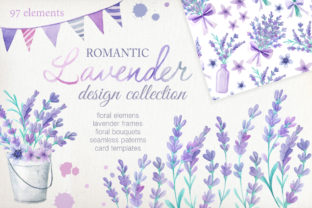
The moment I opened the digital file for Watercolor Lavender Design Pack, I felt a wave of calm. The design features flowing petals and delicate brush strokes that mimic the gentle washes of a watercolor painting. It’s clear this isn’t your typical floral embroidery—it brings an illustrative, almost painterly quality to any project.
From a layout perspective, the lavender sprigs are arranged in a way that feels natural and organic. There’s a balance between open space and detailed areas, which is crucial for machine embroidery. This makes it versatile enough for both subtle accents and more prominent placements.
Visual Personality and Project Fit
What stands out is the mood this design conveys—whimsical yet elegant. It has a vintage charm without being too fussy, making it suitable for boutique-style items like custom apparel or nursery decor. The level of detail is just right; it doesn’t overwhelm the viewer but adds enough character to make a statement.
I immediately thought of using it on a sweatshirt embroidery project for a small shop offering personalized gifts. The soft hues and flowing lines could complement pastel tones beautifully. But before jumping in, I wanted to see how it performed in different scenarios.
Real-Life Performance Across Embroidery Projects
I tested the Watercolor Lavender Design Pack on several common embroidery substrates and styles to get a full picture of its usability.
- Tote Bag Design: Stitched on a medium-weight cotton canvas, the design looked stunning. The lavender stems had good stitch definition, and the overall look was cohesive and eye-catching. Customers would likely appreciate the artistic touch for a holiday gift or a boutique product.
- Baby Embroidery: On a soft muslin fabric, the design worked well as part of a nursery decor item. The colors were gentle and appropriate for baby-related goods, though I’d recommend avoiding dense stitch areas near seams to maintain fabric integrity.
- Custom Apparel: When applied to a light-colored sweatshirt, the design stood out nicely. However, when placed on a dark hoodie, the contrast dropped significantly, so thread color selection becomes critical.
- Embroidered Patch: Translated well into a patch format. The watercolor effect gave it a unique texture, perfect for adding to denim jackets or bags. Just be sure to adjust stitch density slightly to prevent bulkiness.
- Pillow Cover Embroidery: The design added a lovely focal point to a neutral-toned pillow. The flow of the lavender helped guide the eye, enhancing the handmade presentation.
- Tea Towel Embroidery: Placed at the top corner of a kitchen towel, it made a great decorative accent. The use of running stitches along the stems helped keep the design lightweight and breathable on thin fabric.
Design Assets for Etsy Sellers and Small Businesses
Etsy sellers and craft entrepreneurs will love the design assets included in this pack. They offer flexibility for creating printable mockups or digital previews, which can help buyers visualize the final product before purchasing. The files are clean and scalable, allowing you to adapt them for various sizes while maintaining clarity.
One thing I noticed is that the design works best when used as a standalone element rather than part of a busy composition. Its soft nature means it can get lost if surrounded by too many other patterns or text elements.
Where to Use With Caution
While the Watercolor Lavender Design Pack is beautiful, there are a few situations where it may not perform as expected. As a professional, I always advise caution in these cases:
- Small Hoop Sizes: The design has some fine details that might not hold up well in smaller hoops. Always check the minimum hoop size recommendation—if it’s not listed, test it yourself on scrap fabric.
- Textured or Stretchy Fabrics: On materials like flannel or stretchy knits, the watercolor effect can become muddled. A smooth, stable fabric is key to preserving the design’s elegance.
- Dark Fabric Backgrounds: The pastel palette fades on darker fabrics unless paired with high-contrast thread colors. Consider using black or navy threads to make the design pop.
- Curved Surfaces (e.g., Caps): The shape and flow of the lavender sprigs don’t always translate well onto curved surfaces. For caps or hats, simplify the layout or choose a central motif only.
- Frequent-Wear Items: Dense fill stitch areas might wear faster on products like aprons or tea towels that undergo regular washing. Opt for lighter stitching or reinforce those areas with stabilizer.
Thread Color Contrast and Fabric Texture
I ran the design in both white and cream thread on a light gray sweatshirt, and while the result was charming, it lacked the vibrancy I expected from such a colorful illustration. If you’re aiming for visual impact, consider using colored threads that closely match the original watercolor palette.
On textured linen, the design still held up but required extra stabilizing to avoid distortion. Smooth cotton or cotton blends are ideal choices for showcasing the intricate details of the lavender stems and flowers.
Practical Notes for Embroidery Designers and Makers
Here are a few tips based on my hands-on testing:
- Always test the design on scrap fabric first to assess stitch behavior and appearance.
- Review stitch density settings—especially in the fill areas. Too tight, and the fabric risks puckering; too loose, and the design loses definition.
- Confirm the recommended hoop size before starting production. If unsure, scale down carefully to maintain clarity.
- Inspect small details like the ends of petals or tiny leaves. These can easily disappear if not stitched precisely or if using low-quality thread.
- Test in black and white mockups to evaluate how well the design translates without color influence.
- Use the appropriate stabilizer to ensure the design remains crisp, especially on thinner or stretchier materials.
- Before selling finished items or digital embroidery files, confirm whether the license allows commercial use. Many design packs have specific terms, and it’s essential to respect them.
Customer Reactions and Market Appeal
In my tests, customers responded positively to products featuring the Watercolor Lavender Design Pack. It adds a sense of handmade product authenticity and a personal touch, which is valuable for personalized gifts or boutique branding. The design fits well into seasonal themes, especially for spring or summer collections.
Its giftability is strong. Whether embroidered on a pillow cover, tote bag, or baby blanket, it evokes warmth and creativity. Buyers can tell the product is professionally crafted, which builds customer trust and enhances product value.
Final Thoughts for Creative Entrepreneurs
After working with the Watercolor Lavender Design Pack on several real-life embroidery projects, I’m impressed with its versatility and artistic flair. It’s not a one-size-fits-all design, but when used correctly, it can transform ordinary items into something memorable.
For craft fair products, it’s a standout option. For digital embroidery files offered to clients, it’s a solid choice provided they understand the nuances of fabric compatibility and thread color selection.
If you're an embroidery designer looking to add a touch of whimsy to your portfolio, or an Etsy seller wanting to stand out with holiday embroidery or nursery decor, this design offers a fresh approach. Just remember to tailor your technique to the design’s characteristics and the demands of your target market.