Purple Flower Watercolor: A Design Review for Real Projects
As an experienced embroidery designer and product reviewer, I’ve had the chance to work with countless digital embroidery files. When I first opened Purple Flower Watercolor, I knew it was going to be a special one. Its soft, flowing lines and gentle color palette immediately caught my eye. This design isn’t just pretty—it’s practical, versatile, and has a subtle elegance that makes it perfect for a range of handmade and commercial projects.
First Impressions: Mood and Visual Personality
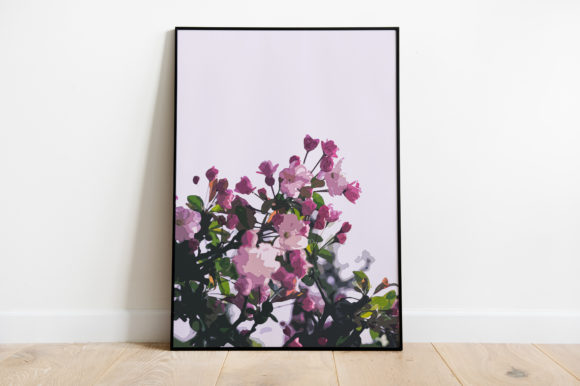
The Purple Flower Watercolor design exudes a calm, artistic vibe. The watercolor style gives it a hand-painted feel, which is refreshing in the world of machine embroidery. It’s not overly intricate, but there’s enough detail to make it feel intentional and expressive. The layout is balanced, with the flower forming a central focal point that feels natural and uncluttered.
This kind of design works well in both modern minimalist settings and more vintage-inspired ones. Its muted tones and fluid brushstrokes suggest a mood of serenity and creativity—ideal for products targeting customers who appreciate bohemian, artisanal, or nature-themed aesthetics.
What Kind of Project Fits Best?
I can already picture this on a custom sweatshirt, a boutique pillow cover, or even as a decorative accent on a baby item. Its size and shape are adaptable, so if you’re looking for a design that doesn’t shout but still adds character, Purple Flower Watercolor might be your go-to choice.
Real-Life Performance in Embroidery Projects
When evaluating a design like this, I consider how it translates from screen to fabric. The watercolor effect brings a sense of depth and movement that’s rare in machine embroidery. Here's where it shines:
- Custom Apparel: On a cotton-blend sweatshirt, the design looks soft and approachable. It adds a touch of sophistication without overwhelming the garment.
- Tote Bag Design: As part of a tote bag project, especially one made from linen or canvas, the Purple Flower Watercolor complements the earthy texture and becomes a statement piece.
- Baby Clothes & Nursery Decor: The pastel shades and organic form make it suitable for delicate items like baby blankets or bibs. Just ensure good thread contrast and minimal stitch density in sensitive areas.
- Embroidered Patch: If used as an applique design, the watercolor look blends beautifully with raw-edge techniques. It adds a whimsical touch that could appeal to crafters and Etsy sellers alike.
- Holiday Gifts & Boutique Branding: For small shop owners or Etsy sellers, this design fits perfectly into seasonal collections or brand-agnostic gifts. It’s timeless enough to remain relevant beyond one holiday season.
In terms of stitching clarity, the blend of satin and fill stitches helps maintain definition while keeping the overall look smooth. The running stitch elements add dimension without being too busy. It’s a design that respects the limitations of machine embroidery while pushing its visual boundaries.
Where to Use With Care
Despite its beauty, some factors may require extra attention when using Purple Flower Watercolor:
- Small Hoop Sizes: While the design is elegant, it does have some fine details that might get lost or distorted in smaller hoops. Always check the recommended hoop size before finalizing a project.
- Textured or Stretchy Fabrics: The watercolor effect relies on smooth surfaces to show off its subtleties. On stretchy or heavily textured materials, the softness of the design might become less defined.
- Dark Fabric Backgrounds: The pale hues won’t pop as effectively on darker fabrics. Consider testing it on light-toned materials first to see if the colors come through clearly.
- Dense Stitch Areas: There are parts of the design where stitch density increases slightly, which could lead to puckering if the stabilizer isn't appropriate. A tear-away or cut-away stabilizer may be necessary depending on the fabric.
- Products That Need Frequent Washing: The watercolor aesthetic thrives on precision. Repeated washing might cause slight fading or distortion over time, especially if the fabric isn’t pre-shrunk or stabilized properly.
Design Notes for Maximum Impact
To ensure the best outcome with Purple Flower Watercolor, here are a few key tips:
- Test on Scrap Fabric: Before committing to a finished product, try stitching it on a scrap of your intended material. This will help you assess how the colors interact with different threads and fabrics.
- Check Thread Color Contrast: Make sure the purple hues stand out against your background fabric. Sometimes, what looks great on screen fades or muddies in real life.
- Review Stitch Density: Look closely at how tight the fill stitches are in the petals and leaves. Too dense and it could pill after washing; too loose and it might lose its shape.
- Confirm Licensing: If you plan to use this for commercial embroidery projects, always double-check the licensing agreement. You don’t want to run into issues later when scaling up production.
Impact on Product Value and Customer Engagement
From a business perspective, the Purple Flower Watercolor adds value by elevating the visual quality of any handmade product. It communicates craftsmanship and thoughtfulness, which are essential for customer trust. In a market full of bold, graphic-heavy designs, this one stands out by offering a quieter, more refined alternative.
Craft fair attendees and boutique shoppers often gravitate toward items that tell a story. This design suggests creativity and care, making it ideal for personalized gifts or small shop products that aim to connect emotionally with buyers.
Handmade Presentation and Brand Consistency
For those selling digital embroidery files or printable mockups, the Purple Flower Watercolor contributes to a cohesive brand image. Whether you're building a line of floral-themed apparel or creating a curated collection of home décor items, this design can serve as a cornerstone element.
Its consistent theme and soft color palette allow it to pair well with other botanical motifs or neutral typography. It’s also flexible enough to be adapted into multiple formats—like an applique design or a standalone embroidery project.
Practical Application Scenarios
Let’s say you're an Etsy seller preparing a batch of embroidered tea towels. You choose Purple Flower Watercolor as the main feature. After stitching, you notice the watercolor effect subtly enhances the towel’s appearance, making it feel like a bespoke accessory rather than a mass-produced item.
Or imagine you're a craft business owner designing a limited-run set of embroidered aprons for a local market. The design adds just the right amount of charm—enough to draw attention, but not so much that it distracts from the function of the apron.
Even in a sweatshirt embroidery context, the design maintains its integrity. It’s large enough to be seen at a glance but detailed enough to reward closer inspection. Customers appreciate that kind of nuance, and it builds engagement long after the initial purchase.
Giftability and Recognition
The Purple Flower Watercolor design has strong gift potential. Whether it's stitched onto a baby blanket, a custom cap, or a holiday ornament, it feels personal and meaningful. Its artistic quality ensures that recipients recognize the effort put into the finished product, which is crucial for maintaining a positive brand perception.
Additionally, the design is easily recognizable. Once someone sees it, they’re likely to remember it—especially if you use it consistently across your design assets. That kind of recognition is invaluable for small shop branding and repeat customer engagement.
Final Thoughts for Designers and Sellers
After working with Purple Flower Watercolor in several real-life scenarios, I’m confident it’s a solid addition to any embroiderer’s toolkit. It balances beauty with usability and offers a fresh take on floral themes. However, like any design, it needs thoughtful application to reach its full potential.
Before incorporating it into a client project or commercial embroidery line, take the time to understand its behavior on various materials and under different lighting conditions. Use proper stabilizer, confirm hoop size, and consider how it aligns with your overall visual presentation.
If you're looking for an illustration-based embroidery file that brings a touch of artistry to everyday items, this design is worth exploring. Just keep in mind the practical considerations outlined above, and you’ll find yourself with a custom apparel or home décor piece that resonates with customers and reflects your professionalism as a maker.