Watercolor Mermaid Clipart: A Versatile Illustration for Creative Publishing
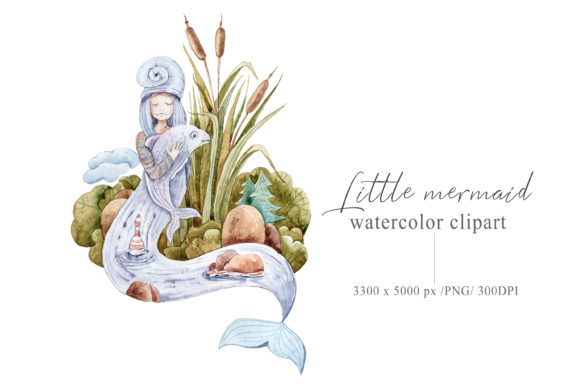
As a seasoned blog designer and digital publisher, I'm always on the lookout for graphic design assets that can elevate the visual appeal of content without overwhelming it. The Watercolor Mermaid Clipart – Mermaid Tail caught my attention immediately with its soft, fluid style and enchanting subject matter. This illustration isn’t just another stock graphic; it’s a piece that brings editorial warmth and a touch of whimsy to any project.
The Editorial Mood of Watercolor Mermaid Clipart
The Watercolor Mermaid Clipart. Mermaid Tail exudes an artistic and feminine vibe, making it ideal for lifestyle, wellness, fantasy, or even educational content focused on mythology and storytelling. Its watercolor texture adds a sense of hand-crafted authenticity that resonates well with readers seeking more personal and creative connections in their content consumption.
This illustration doesn’t scream for attention but rather invites the viewer in. It's perfect for niches like beauty, travel, or children’s literature where a playful yet elegant aesthetic is desired. It also fits seamlessly into seasonal themes—especially around summer, beach culture, or mermaid-inspired stories.
Real-World Applications in Content Publishing
Let’s explore how this asset performs across different publishing formats:
- Blog Featured Images: The mermaid tail works beautifully as a background element, especially when paired with a clean headline. It helps create a strong first impression while maintaining a modern and approachable tone.
- Pinterest Graphics: With its vibrant colors and organic shape, this clipart is a natural fit for Pinterest pins. Use it to highlight key phrases or product features in your content marketing efforts.
- Article Headers: In editorial layouts, it serves as a decorative accent that supports the theme without distracting from the message. Consider placing it subtly along the side or bottom of headers to add depth.
- Newsletter Banners: If your brand voice leans toward the creative or boutique space, this illustration can be used to frame newsletter sections or as part of a themed banner.
- Lead Magnets & Digital Guides: When designing lead magnets or downloadable resources, the mermaid tail can be integrated into worksheets, eBook covers, or printable templates to give them a unique, branded look.
- Canva Templates: As a blogger or content creator who uses Canva regularly, you’ll find this clipart easy to layer into existing templates. It enhances the visual hierarchy and aligns with the growing trend of soft, nature-inspired web design.
Supporting Content Performance
Using the Watercolor Mermaid Clipart. Mermaid Tail can significantly boost content performance by enhancing several key areas:
- Stronger First Impressions: Readers are drawn to visuals that feel intentional and expressive. This illustration helps create that initial spark of interest.
- Clearer Visual Hierarchy: When placed strategically, it guides the eye and reinforces the main message of the page—whether it's a call to action or a featured article title.
- Better Click-Through Potential: On social media previews and website thumbnails, the mermaid tail adds a sense of curiosity and charm that encourages clicks.
- More Consistent Branding: If your brand identity includes elements of fantasy, marine life, or soft aesthetics, this illustration can become a signature visual motif across your blog graphics.
- Improved Reader Trust: High-quality illustrations signal professionalism. Even though this one has a whimsical edge, its polished finish contributes to a trustworthy and visually appealing experience.
- Stronger Visual Identity: Repeated use of this asset in headers, thumbnails, and digital products builds a cohesive visual language that makes your brand instantly recognizable.
Where This Design Works Best
Here are some specific scenarios where the Watercolor Mermaid Clipart. Mermaid Tail shines:
- Hero Images: Paired with a bold headline and minimal text, it becomes a compelling focal point for landing pages or category hubs.
- Article Thumbnails: The tail’s flowing lines make it stand out in grids or feeds, increasing the likelihood of engagement.
- Editorial Accents: Use it to separate sections of long-form articles or to introduce a new topic within a post.
- Content Upgrades: Enhance free printables, digital downloads, or bonus materials with this illustration to give them a more premium feel.
- Social Media Previews: Especially effective for Instagram Stories, Facebook posts, or YouTube thumbnails in niches like fantasy, oceanic themes, or dreamy aesthetics.
Use With Caution in These Scenarios
While versatile, there are situations where this design might not be the best choice:
- Small Mobile Thumbnails: The intricate details may get lost at smaller sizes, reducing its impact.
- Text-Heavy Blog Images: Too much going on in the visual could compete with the headline or body copy.
- Low-Contrast Backgrounds: The soft tones of the illustration might blend in if not given enough contrast.
- BUSY Layouts: Avoid using it alongside multiple other decorative elements unless you're intentionally creating a richly illustrated mood board.
- Serious Professional Niches: Corporate blogs or finance-related websites may find the mermaid theme too informal.
- Websites with Minimal Visual Systems: If your brand relies on strict minimalism, this asset could disrupt the visual balance if not handled carefully.
Publisher Tips for Optimal Use
To ensure this illustration performs well across platforms, keep these practical tips in mind:
- Test on Desktop and Mobile Screens: Make sure the mermaid tail remains visible and legible at various resolutions and screen sizes.
- Check Thumbnail Versions: How does it scale down? Does it still hold visual interest when cropped?
- Preview Inside a Real Blog Layout: See how it interacts with fonts, margins, and other design elements in your actual content environment.
- Test With Headline Text: Pair it with different font styles (serif, sans serif, script, display) to find the most harmonious combination.
- Confirm Contrast and Readability: Place the image beside your chosen typography to ensure legibility is maintained.
- Try It in Black and White: Sometimes, testing a color asset in grayscale reveals whether its form and value range are strong enough to stand alone.
- Review File Size for Web Performance: Large images can slow down load times. Compress it properly without sacrificing quality.
- Verify Commercial Licensing: Before using it on monetized sites, affiliate pages, or paid digital products, confirm it has a commercial license to avoid legal issues later.
Design Asset Integration Examples
Here are a few ways I’ve personally used similar illustrations in real projects:
- Incorporating it into a website header for a fantasy-themed blog, adding subtle movement and magic to the layout.
- Using it as a border element in a printable design for a mermaid mythological guide aimed at educators and homeschoolers.
- Embedding it into a digital download for a boutique skincare brand promoting ocean-inspired products.
- Enhancing a social media graphic for an online educator running a course on marine biology and folklore.
Final Thoughts on Watercolor Mermaid Clipart
The Watercolor Mermaid Clipart. Mermaid Tail is a standout graphic design asset for those looking to inject personality and visual interest into their editorial work. Whether you're crafting a content upgrade, designing a newsletter header, or preparing a Pinterest pin, this illustration can help your content feel more engaging and professional.
It’s particularly suited for creative marketplaces, small business branding, and content marketers aiming to build a distinctive visual identity. However, always consider the context and audience before placing it in your web design or editorial design workflows. With the right application, it can turn your content pages into something truly magical.