Watercolor Safari African Animal Clipart: A Versatile Illustration for Creative Projects
As a graphic designer with years of experience in crafting visual identities and marketing materials for clients across various industries, I’ve had the chance to evaluate countless design assets. When it comes to illustrations that evoke warmth, authenticity, and a touch of whimsy, Watercolor Safari African Animal Clipart stands out as a compelling option for creative projects. Let’s take a closer look at how this asset fits into real-world design scenarios and what professionals should consider before using it.
Aesthetic First Impressions and Visual Mood
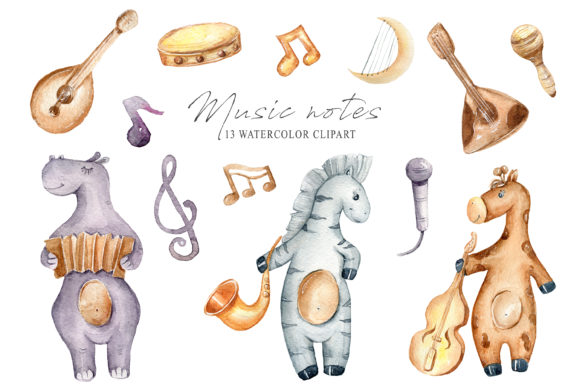
The first thing that strikes you about Watercolor Safari African Animal Clipart is its soft, hand-painted quality. These illustrations are rendered in a watercolor style that feels organic and approachable, making them ideal for brands or campaigns aiming to communicate creativity, nature, and adventure. The gentle brushstrokes and muted color palettes give the designs a relaxed yet refined feel, reminiscent of travel journals, artisanal crafts, or eco-conscious products.
This collection isn’t just about animals; it’s about storytelling. Each illustration carries a sense of movement and life, which can be incredibly useful when building a narrative around a brand or product. Whether you're designing for a handmade business or a seasonal campaign, these illustrations can help set a mood that resonates with your audience on an emotional level.
Where This Design Asset Shines
Watercolor Safari African Animal Clipart excels in large layout areas where detail and texture can breathe. Think product mockups, hero graphics on websites, or decorative accents on posters and flyers. The watercolor aesthetic adds a tactile dimension to digital work, especially in print-on-demand and Etsy product designs like stickers, t-shirt prints, mugs, and tote bags.
- Themed Collections: These illustrations work beautifully in cohesive sets—perfect for creating safari-themed merchandise or editorial content.
- Creative Marketplace Products: For digital sellers, they offer a unique edge that can make your Canva templates or Cricut projects stand out in a competitive marketplace.
- Brand Identity Elements: They can complement more structured elements in a brand identity system, adding personality without overwhelming the message.
- Social Media Graphics: On platforms like Instagram or Pinterest, the warm, natural look of these illustrations helps create engaging visuals that stop the scroll.
Real-World Project Fit
Imagine working on a branding project for a new line of sustainable children's toys inspired by wildlife. The client wants the packaging to feel educational but playful, and the logo needs to reflect both authenticity and modernity. Watercolor Safari African Animal Clipart could serve as the foundation for the logo concept or appear subtly in packaging details to maintain a consistent theme across all touchpoints.
In another case, a local event planner is organizing a themed coffee shop pop-up called “The Jungle Within.” The visuals need to be inviting and immersive. By incorporating these illustrations into the posters, invitations, and even the background of web banners, the design gains a layer of visual richness that supports the concept effectively.
Performance in Different Design Contexts
These illustrations perform best when given space to be seen clearly. In product labels or packaging design, they add a charming focal point that elevates the perceived value of the item. For web design or blog visuals, they provide a refreshing alternative to flat vector graphics, especially in lifestyle or travel niches.
However, their performance depends heavily on context. While they bring a unique artistic flair, they may not suit every scenario. Here’s how they hold up in different use cases:
- Logo Design: Best used as supporting elements rather than primary logos due to their intricate textures and lack of sharp lines.
- Marketing Visuals: Ideal for social media posts and email headers where a personal, handcrafted look enhances engagement.
- Editorial Design: Great for magazine spreads, blog headers, or printable wall art where the illustrative style blends well with photography or typographic treatments.
- Print-on-Demand Merchandise: Particularly effective in t-shirt design, mug graphics, and fabric patterns where watercolor gives a softer, more artistic finish.
Designers Should Test It Here
Before finalizing Watercolor Safari African Animal Clipart for a commercial project, it’s essential to test it in several key areas:
- Black and White Conversion: Watercolor illustrations can lose impact if colors become muddy when printed in grayscale.
- Contrast Checks: Ensure the clipart maintains clarity when placed against light and dark backgrounds—especially important for digital ads or signage.
- Size Variations: Preview at both small and large sizes. Some details might become illegible in tiny formats, such as those used in social media thumbnails or sticker designs.
- Mockup Integration: Place them on realistic product mockups to see how they interact with other design elements and lighting effects.
- Print Quality: If intended for physical products, always review how the file holds up under high-resolution printing conditions.
- File Format Review: Confirm whether the asset includes PNG transparency or SVG/vector editability, which can significantly affect its usability in layered compositions or scalable applications.
Typography Pairings and Visual Hierarchy
One of the most important considerations when using these illustrations is how they interact with typography. The watercolor style naturally pairs well with script fonts and handwritten styles, reinforcing the organic, artistic vibe. However, when paired with serif or sans-serif fonts, the contrast between the structured text and loose illustrations can enhance readability and visual interest.
For minimalist branding or corporate materials, these illustrations may require careful placement to avoid disrupting the clean visual hierarchy. But for boutique brands, handmade shops, or creative startups, they can become signature elements that build recognition and emotional appeal.
Commercial Use Considerations
If you plan to use Watercolor Safari African Animal Clipart in any professional or commercial capacity, it's critical to verify the commercial license terms. Many free clipart collections have restrictions that prevent resale or mass production. Always ensure the licensing allows for the type of use you intend—whether it's for an Etsy product, print-on-demand site, or a full brand identity rollout.
Additionally, check if the illustrations are delivered in multiple file formats. High-quality PNGs with transparent backgrounds are often enough for digital use, but SVG files allow for scalability and customization in design software like Adobe Illustrator or Cricut. If you’re planning to modify the illustrations, vector-based versions are a must-have.
Emotional Appeal and Audience Engagement
There’s a reason why watercolor has become a go-to style for many indie and lifestyle brands. It evokes nostalgia, sincerity, and a human touch. Watercolor Safari African Animal Clipart taps into that emotional reservoir perfectly. The subtle imperfections in the brushwork and the soft color transitions give the illustrations a handmade feel that resonates with audiences seeking authenticity in a digital world.
When integrated thoughtfully, these illustrations can increase engagement by creating a sense of discovery. Think of how they might appear in a series of Instagram posts leading up to a product launch or in a Pinterest board dedicated to adventure-inspired home décor. Their presence adds a story-like quality that encourages interaction and shares.
Visual Trust and Brand Consistency
While the charm of these illustrations is undeniable, designers must also consider their impact on visual trust and brand consistency. For businesses that want to convey professionalism or technical expertise, a heavy reliance on watercolor may dilute the brand’s authority. But for a small business focusing on wellness, travel, or education, this style can reinforce the brand’s values and mission.
To maintain consistency, pair these illustrations with a limited color palette and a cohesive typography system. That way, even though the artwork is detailed and expressive, it doesn’t clash with the rest of the brand’s visual language. Instead, it complements and enhances it.
Use With Caution: When Less Is More
Despite their strengths, there are situations where Watercolor Safari African Animal Clipart may not be the best choice. Avoid using them in:
- Small Sizes: The fine details can get lost, reducing their effectiveness in things like buttons or icons.
- Crowded Layouts: Too many illustrations in one place can overwhelm the viewer and disrupt the flow of information.
- Complex Backgrounds: Their delicate style works best on solid or minimalistic backdrops. Overly busy or textured backgrounds can muddy the overall look.
- Minimalist Branding: Clients who prefer a sleek, modern design may find the watercolor aesthetic too informal or distracting.
- Corporate Materials: Annual reports, legal documents, or investor presentations are unlikely to benefit from this kind of illustration.
In such cases, it’s better to use these illustrations sparingly—as accents or in specific sections where their artistic quality can shine without competing with the main message.
Final Thoughts for Design Professionals
Watercolor Safari African Animal Clipart is more than just a pretty picture—it’s a strategic design tool that can elevate the mood, tone, and storytelling potential of your projects. As a designer, I appreciate the versatility and emotional depth it brings to creative work. Whether it’s part of a larger design bundle or a standalone graphic design asset, it deserves a spot in the toolkit of anyone working with creative design for branding, editorial, or digital product creation.
Just remember to balance its use with strong visual hierarchy and clear messaging. When done right, it can turn a standard design into something memorable and meaningful. So next time you're working on a small business branding project or a printable design for a craft seller, consider letting Watercolor Safari African Animal Clipart guide your visual direction. It might just be the spark your design needs to connect with its audience.